

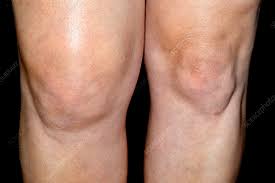
علل ورم زانوها
تورم زانو میتواند به دلایل مختلفی رخ دهد که شامل آسیبها، بیماریهای التهابی و مشکلات مزمن مفصلی میشود. برخی از مهمترین علل عبارتند از:
1. آسیبهای زانو
✅ آسیبهای لیگامانی (رباطی): پارگی یا کشیدگی رباط صلیبی قدامی (ACL) یا رباطهای جانبی میتواند منجر به تورم سریع زانو شود.
✅ آسیب منیسک: پارگی منیسک (غضروف زانو) میتواند باعث التهاب و تجمع مایع در مفصل شود.
✅ شکستگی: شکستگی استخوانهای اطراف زانو ممکن است موجب تورم شدید و دردناک شود.
✅ ضربه و کوبیدگی: زمین خوردن یا ضربه مستقیم میتواند باعث التهاب و ورم در زانو شود.
2. التهاب و بیماریهای مفصلی
✅ آرتروز (استئوآرتریت): ساییدگی و فرسایش مفصل زانو میتواند باعث تجمع مایع و تورم شود.
✅ آرتریت روماتوئید: یک بیماری خودایمنی که باعث التهاب شدید و تورم مفصل زانو میشود.
✅ نقرس: رسوب کریستالهای اسید اوریک در مفصل زانو میتواند موجب تورم، قرمزی و درد شدید شود.
✅ آرتریت سپتیک (عفونت مفصل): عفونت داخل مفصل باعث التهاب، تب و تورم شدید میشود که نیاز به درمان اورژانسی دارد.
3. تجمع مایع (افیوژن مفصلی یا آب آوردن زانو)
✅ تجمع مایع در زانو ممکن است به دلیل آسیب، التهاب یا بیماریهای مزمن رخ دهد.
4. بورسیت زانو (التهاب بورسهای زانو)
✅ بورسها کیسههای حاوی مایع در اطراف مفصل هستند که وقتی ملتهب شوند، میتوانند باعث ورم زانو شوند.
5. مشکلات متابولیکی و سیستمیک
✅ بیماریهای کلیوی، قلبی یا کبدی: در برخی بیماریهای مزمن، ممکن است مایعات در بدن تجمع یابند و باعث تورم در زانو و سایر مفاصل شوند.
درمانهای پیشنهادی طب فیزیکی و توانبخشی:
🔹 استراحت و کاهش فشار روی زانو
🔹 کمپرس یخ برای کاهش التهاب
🔹 ورزش درمانی برای تقویت عضلات اطراف زانو
🔹 تزریق اوزون، پی آر پی یا کورتون در موارد خاص
🔹 استفاده از زانوبند طبی برای حمایت از مفصل
در صورت تداوم تورم زانو، بهتر است به متخصص طب فیزیکی و توانبخشی مراجعه کنید تا علت دقیق مشخص شده و درمان مناسب انجام شود.
Causes of Knee Swelling
Knee swelling can occur due to various reasons, including injuries, inflammatory diseases, and chronic joint problems. Some of the most important causes include:
1. Knee Injuries
✅ Ligament injuries: A tear or strain in the anterior cruciate ligament (ACL) or collateral ligaments can lead to rapid knee swelling.
✅ Meniscus tear: Damage to the meniscus (cartilage in the knee) can cause inflammation and fluid buildup in the joint.
✅ Fractures: A broken bone around the knee may result in severe swelling and sharp pain.
✅ Bruises and trauma: Falls or direct blows to the knee can cause inflammation and swelling.
2. Inflammatory and Joint Diseases
✅ Osteoarthritis: Wear and tear of the knee joint can lead to fluid buildup and swelling.
✅ Rheumatoid arthritis: An autoimmune disease that causes severe inflammation and swelling in the knee.
✅ Gout: The accumulation of uric acid crystals in the joint can lead to severe swelling, redness, and intense pain.
✅ Septic arthritis (joint infection): A bacterial infection inside the joint causes inflammation, fever, and severe swelling, requiring urgent treatment.
3. Fluid Accumulation in the Joint (Joint Effusion or Water on the Knee)
✅ Fluid buildup may occur due to injury, inflammation, or chronic diseases.
4. Bursitis (Inflammation of the Bursa in the Knee)
✅ Bursae are fluid-filled sacs surrounding the joint, and when inflamed, they can cause knee swelling.
5. Metabolic and Systemic Disorders
✅ Kidney, heart, or liver diseases: Some chronic diseases can lead to fluid retention in the body, causing swelling in the knee and other joints.
Suggested Treatments in Physical Medicine and Rehabilitation:
🔹 Rest and reducing pressure on the knee
🔹 Applying ice packs to reduce inflammation
🔹 Physical therapy exercises to strengthen the muscles around the knee
🔹 Intra-articular injections such as ozone therapy, PRP (platelet-rich plasma), or corticosteroids in specific cases
🔹 Using knee braces for joint support
If knee swelling persists, it is recommended to consult a physical medicine and rehabilitation specialist for accurate diagnosis and appropriate treatment.